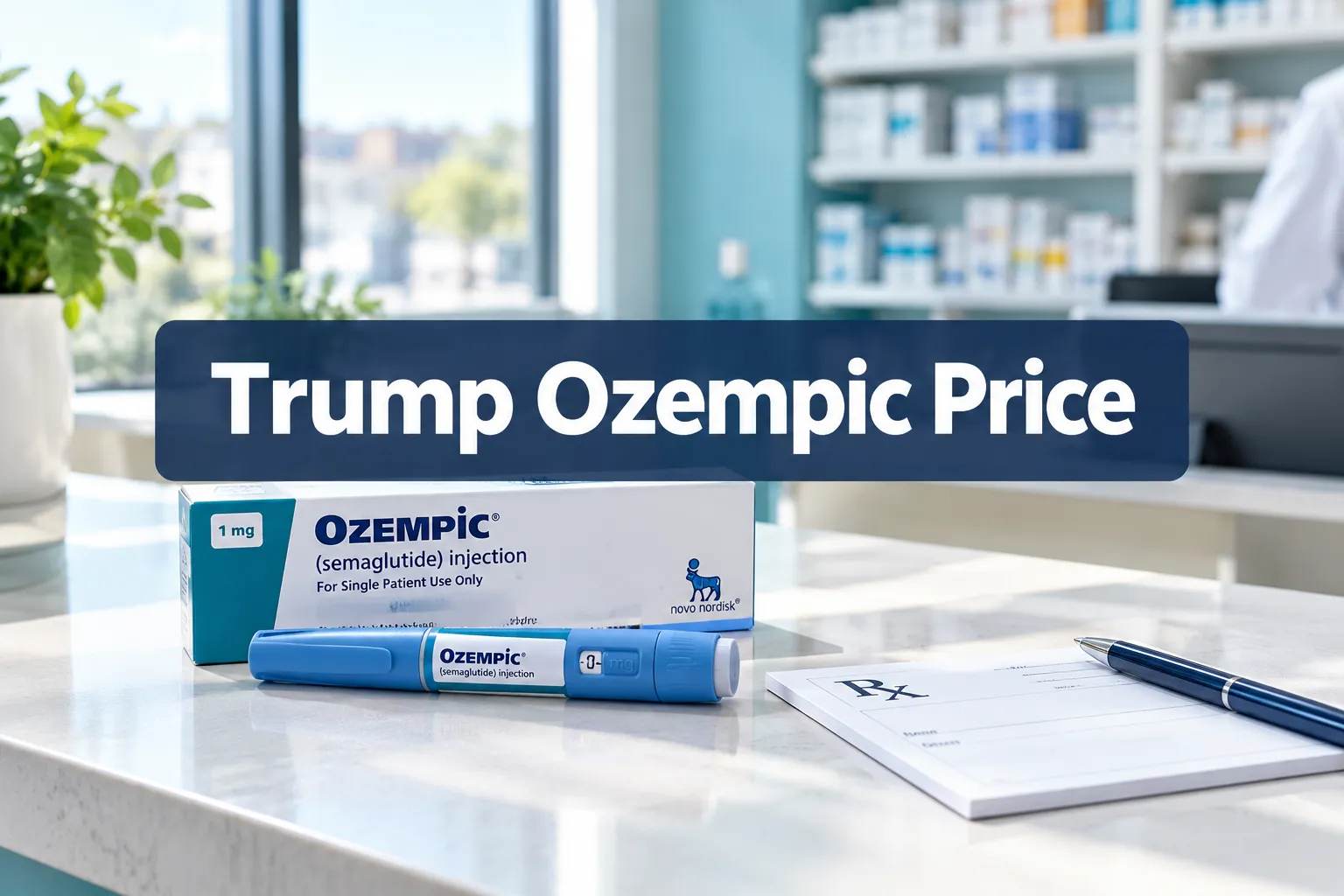
Trump Ozempic Price: How Much Does Ozempic Cost Out-of-Pocket?
Last updated: October 16, 2026
Quick Answer
The Trump Ozempic price story centers on federal pressure to lower list prices and expand direct-to-consumer purchasing options, but out-of-pocket costs still vary widely by coverage status. Without insurance, Ozempic’s list price has hovered near $935 to $1,000 per month, while manufacturer savings programs, pharmacy discount cards, and new federal pricing initiatives can bring the cash price down substantially for eligible patients. The exact amount you pay depends on your insurance plan, your pharmacy, and whether you qualify for a savings card or a negotiated government program.
Key Takeaways
- Ozempic’s list price without insurance has typically sat near $935 to $1,000 per month at U.S. pharmacies, though actual cash prices vary by pharmacy and location.
- Trump administration drug pricing initiatives, including Most Favored Nation pricing orders and direct-to-consumer purchasing proposals, aim to narrow the gap between U.S. prices and lower international prices.
- Insured patients with diabetes coverage often pay a copay between $25 and $100 per month, but coverage for weight-loss-only use is far less consistent.
- Novo Nordisk’s NovoCare savings card and patient assistance programs remain the most reliable way to lower cash costs for eligible patients.
- Compounded semaglutide offers a cheaper alternative but carries quality and safety tradeoffs that patients should weigh carefully.
- Medicare drug price negotiations are expected to affect GLP-1 pricing over the next several years, though timelines and scope continue to evolve.
- Shopping pharmacies, using manufacturer tools, and confirming formulary status before filling a prescription are the fastest ways to cut your bill today.
What Is the Trump Ozempic Price Policy, and Why Does It Matter?
The “Trump Ozempic price” conversation refers to federal efforts, led during the Trump administration, to pressure drugmakers like Novo Nordisk into lowering U.S. list prices for GLP-1 medications and to create more direct purchasing channels for consumers. This matters because Ozempic and similar drugs have carried some of the highest brand-name list prices in American pharmacy history, and policy shifts at the federal level directly influence what patients eventually pay at the counter.
The administration’s approach has leaned on a few main tools:
- Most Favored Nation (MFN) pricing orders, which attempt to tie U.S. drug prices closer to the lower prices paid in other wealthy countries.
- Direct-to-consumer purchasing proposals, sometimes referred to in media coverage as a federal drug purchasing portal concept, intended to let patients buy certain medications without going through traditional insurance markups.
- Public pressure campaigns aimed at manufacturers, pushing companies to announce voluntary price cuts or expanded savings programs rather than face regulatory action.
A common mistake patients make is assuming these federal policy moves translate into an immediate, automatic discount at their local pharmacy. In practice, policy changes at this level often take months or years to filter down to individual prescriptions, and pharmacy-level pricing can lag behind headline announcements. If you’re trying to manage your budget this month, don’t wait on policy; use the savings tools available right now, which are covered later in this guide.
How Much Does Ozempic Cost Out-of-Pocket Without Insurance?
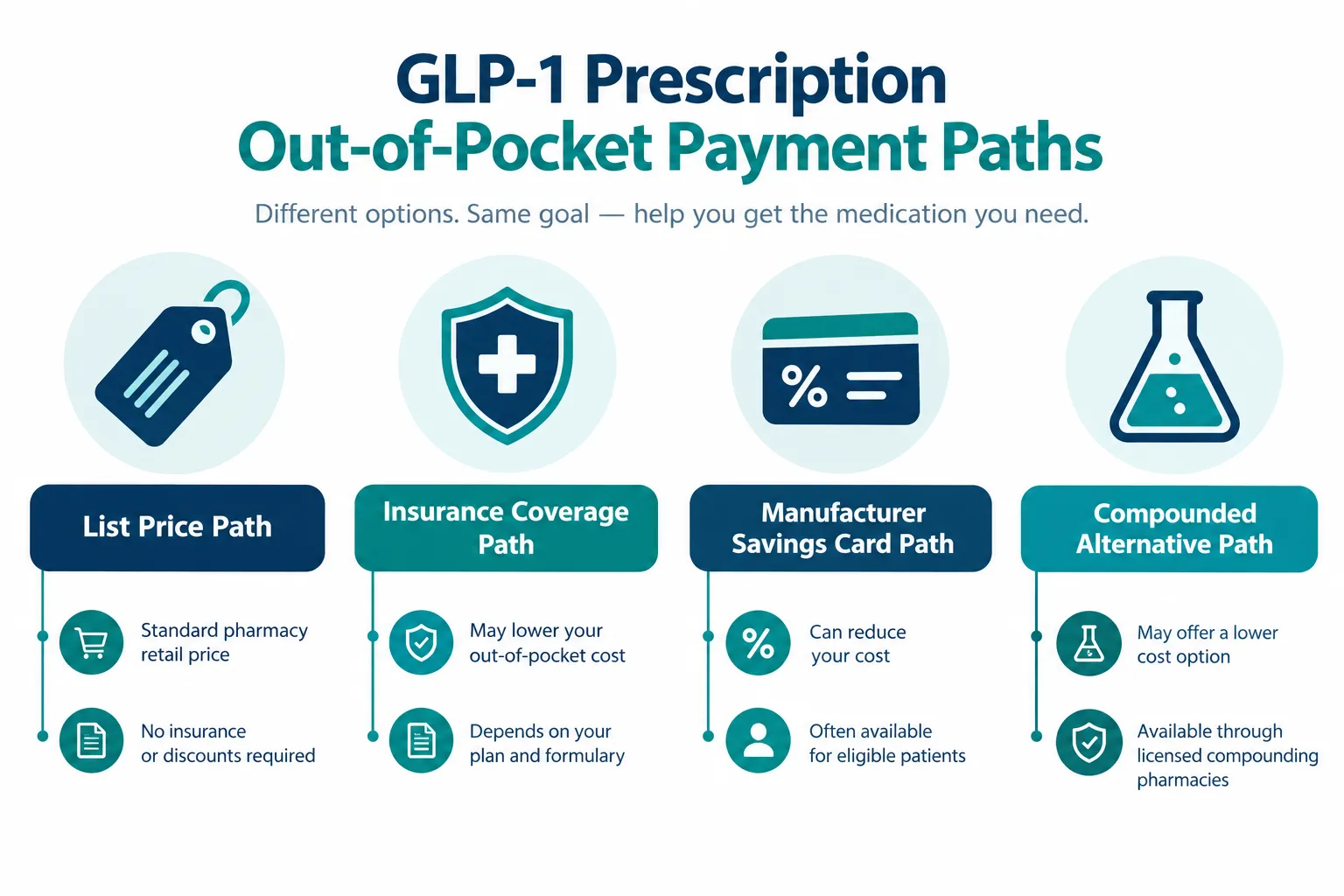
Without insurance, Ozempic typically costs close to $935 to $1,000 for a one-month supply at the list price, though the exact figure depends on your pharmacy, your dose, and your location. This is one of the most frequently searched parts of the Trump Ozempic price question, since millions of Americans either lack diabetes-specific coverage or have plans that exclude GLP-1 medications for weight management.
Several factors push the real-world price up or down:
- Dose strength: Higher maintenance doses (1 mg or 2 mg pens) often cost the same per box as starter doses, since pricing is typically per pen rather than per milligram.
- Pharmacy choice: Large chain pharmacies, independent pharmacies, and mail-order services can post different cash prices for the identical product.
- Location: State-level pharmacy regulations and local market competition can shift prices by a meaningful margin.
- Manufacturer coupons: Even without insurance, some patients qualify for manufacturer savings cards that reduce the cash price if they meet income or prescription criteria.
Choose the cash-pay route if you’re uninsured, your insurance explicitly excludes GLP-1 drugs, or your deductible is so high that paying cash plus a discount card is cheaper than running the claim through insurance. This happens more often than people expect, especially with high-deductible health plans.
What Changed Under Trump’s Drug Pricing Executive Orders?
Trump administration drug pricing executive orders have focused on narrowing the price gap between what Americans pay and what patients in other developed countries pay for the same medications, including GLP-1 drugs like Ozempic. The practical effect on your prescription depends on whether your specific drug, dose, and pharmacy benefit have been incorporated into any finalized pricing agreement.
Key elements of this policy direction include:
- Most Favored Nation pricing tied to international reference prices, intended to push list prices down over time.
- Public announcements from manufacturers responding to political pressure, sometimes including voluntary price reductions or expanded direct-sale options.
- Proposals for direct government-to-consumer drug portals, designed to cut out some of the middle layers (like pharmacy benefit managers) that add cost between manufacturer and patient.
An important edge case: policy announcements and finalized, binding price changes are not the same thing. Headlines about a new “Trump Ozempic price” deal may describe a negotiation in progress, a voluntary pledge, or a formal rule, and each of these carries a different timeline for actually showing up on your receipt. If you see a new price announced in the news, check Novo Nordisk’s official patient resources or your pharmacist before assuming it applies to your prescription today.
For readers managing broader health and weight goals alongside medication costs, our weight loss resources cover lifestyle strategies that can complement any GLP-1 treatment plan, regardless of which pricing policy is in effect when you fill your prescription.
Trump Ozempic Price: How Much Does Ozempic Cost Out-of-Pocket With Insurance or Medicare?
With insurance, most patients prescribed Ozempic for type 2 diabetes pay a copay in the range of $25 to $100 per month, assuming the drug is on their plan’s formulary. Coverage for weight-loss-only prescriptions is far less consistent, and many commercial plans still exclude GLP-1 drugs entirely when prescribed off-label for weight management rather than diabetes.
Here’s how coverage typically breaks down:
| Coverage Type | Typical Out-of-Pocket Range | Key Condition |
|---|---|---|
| Commercial insurance, diabetes diagnosis | Low copay tier | Drug must be on formulary |
| Commercial insurance, weight-loss only | Often full list price or excluded | Many plans exclude off-label use |
| Medicaid | Varies by state | Some states cover, others restrict |
| Medicare Part D, diabetes diagnosis | Copay or coinsurance tier | Subject to annual deductible phase |
| Medicare, weight-loss only | Historically excluded | Policy coverage for obesity-only use has been limited |
Medicare’s relationship with GLP-1 drugs continues to shift. Federal drug price negotiation programs under the Inflation Reduction Act have begun including high-cost medications in negotiated pricing rounds, and GLP-1 drugs are widely expected to be part of future negotiation cycles given their enormous Medicare spending footprint. If you’re on Medicare, confirm your specific plan’s current formulary status every year during open enrollment, since coverage rules for this drug class have changed repeatedly in recent years.
A common mistake: assuming a Medicare Advantage plan automatically mirrors a friend’s or relative’s coverage. Formularies vary significantly between plans even within the same insurer, so always verify your specific plan document.
How Does the Novo Nordisk Discount Card or NovoCare Savings Program Work?
Novo Nordisk’s NovoCare savings program is the primary manufacturer tool for lowering Ozempic’s out-of-pocket cost, offering a savings card to eligible commercially insured patients and a separate patient assistance pathway for those without coverage. This program has remained one of the most dependable ways to reduce costs regardless of which federal pricing policy is active at a given time.
Typical program structure includes:
- Commercially insured patients: May qualify for a savings card that caps monthly out-of-pocket costs well below the list price, often for a set number of fills per calendar year.
- Uninsured or underinsured patients: May qualify for patient assistance programs based on income, though these often require more documentation and longer approval timelines.
- Government program enrollees: Patients on Medicare, Medicaid, or other federal programs are generally excluded from manufacturer copay cards by law, which is a frequent source of confusion.
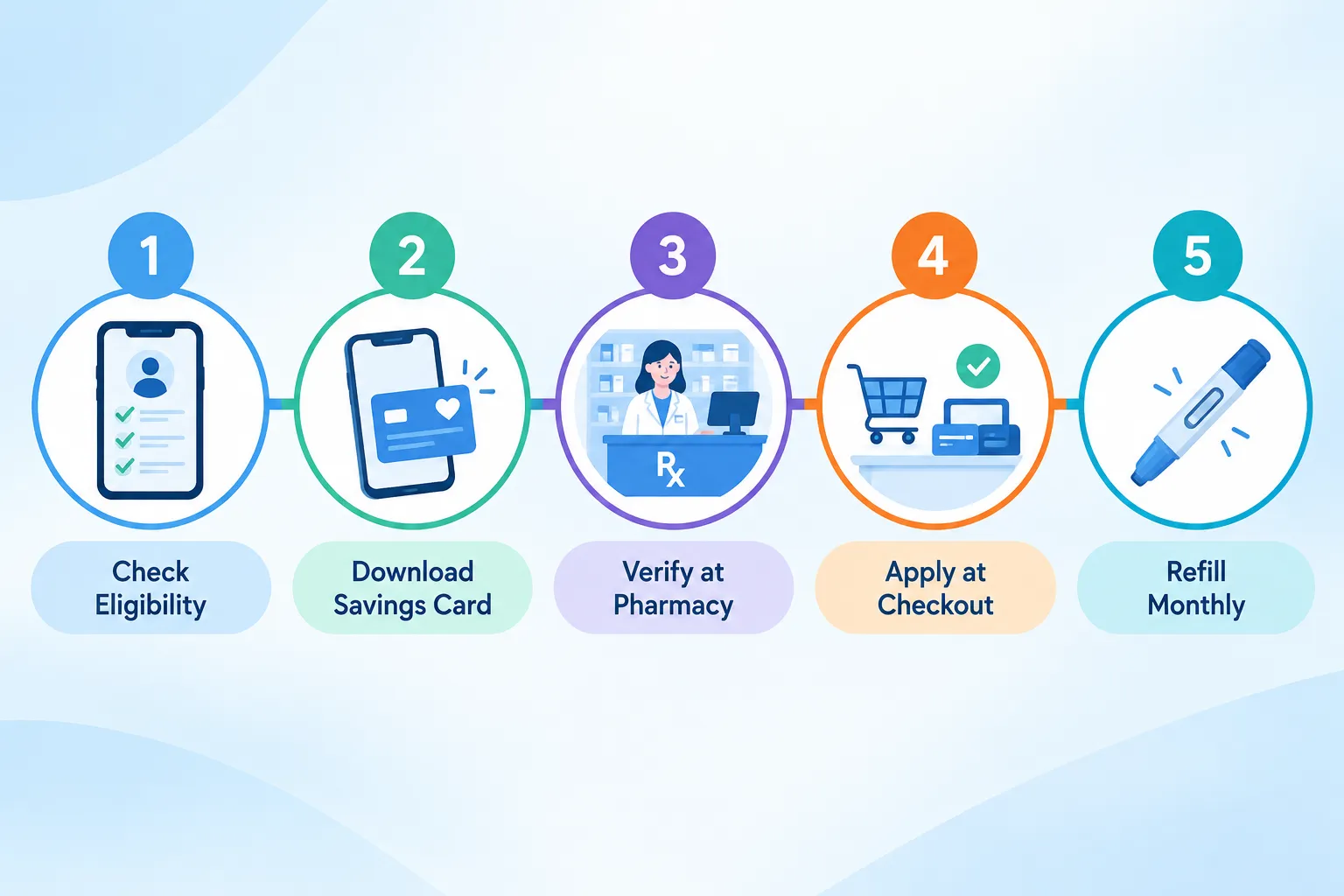
Choose the manufacturer savings card route if you have commercial insurance that already covers Ozempic but your copay still feels unaffordable. Choose the patient assistance application route if you have no insurance at all and meet income eligibility thresholds. Skip both and ask your doctor about alternatives if you’re on Medicare or Medicaid, since the standard copay card generally won’t apply to you.
What Are the Risks of Compounded or Cheaper Semaglutide Alternatives?
Compounded semaglutide can cost noticeably less than brand-name Ozempic, but it comes from compounding pharmacies rather than the original manufacturer, which means it hasn’t gone through the same FDA approval process for that specific formulation. This distinction matters because quality, dosing accuracy, and sterility standards can vary between compounding facilities.
Key considerations before choosing a compounded option:
- Regulatory status: Compounded versions are legal under specific shortage-related exceptions, but availability and legality shift as the FDA updates its drug shortage list.
- Quality variability: Compounding pharmacies are regulated differently than manufacturers, and ingredient sourcing can vary in ways that affect potency or purity.
- Insurance exclusion: Insurance typically will not cover compounded semaglutide, meaning it’s a cash-only purchase in almost every case.
- Physician oversight: Any switch to a compounded product should go through a licensed provider who can monitor dosing and side effects closely.
Edge case to watch: once FDA shortage designations for semaglutide are lifted, compounding pharmacies lose their primary legal basis for producing copies of the branded drug, which can suddenly shrink availability. Patients who build a routine around a compounded product should have a backup plan in case that supply disappears with little notice.
Trump Ozempic Price vs Wegovy and Other GLP-1 Drugs: How Do Costs Compare?
Ozempic and Wegovy share the same active ingredient, semaglutide, but they’re approved for different uses and priced and covered differently as a result. Ozempic is FDA-approved for type 2 diabetes, while Wegovy is FDA-approved specifically for chronic weight management, and insurance plans often treat the two very differently even though the drug inside the pen is nearly identical.
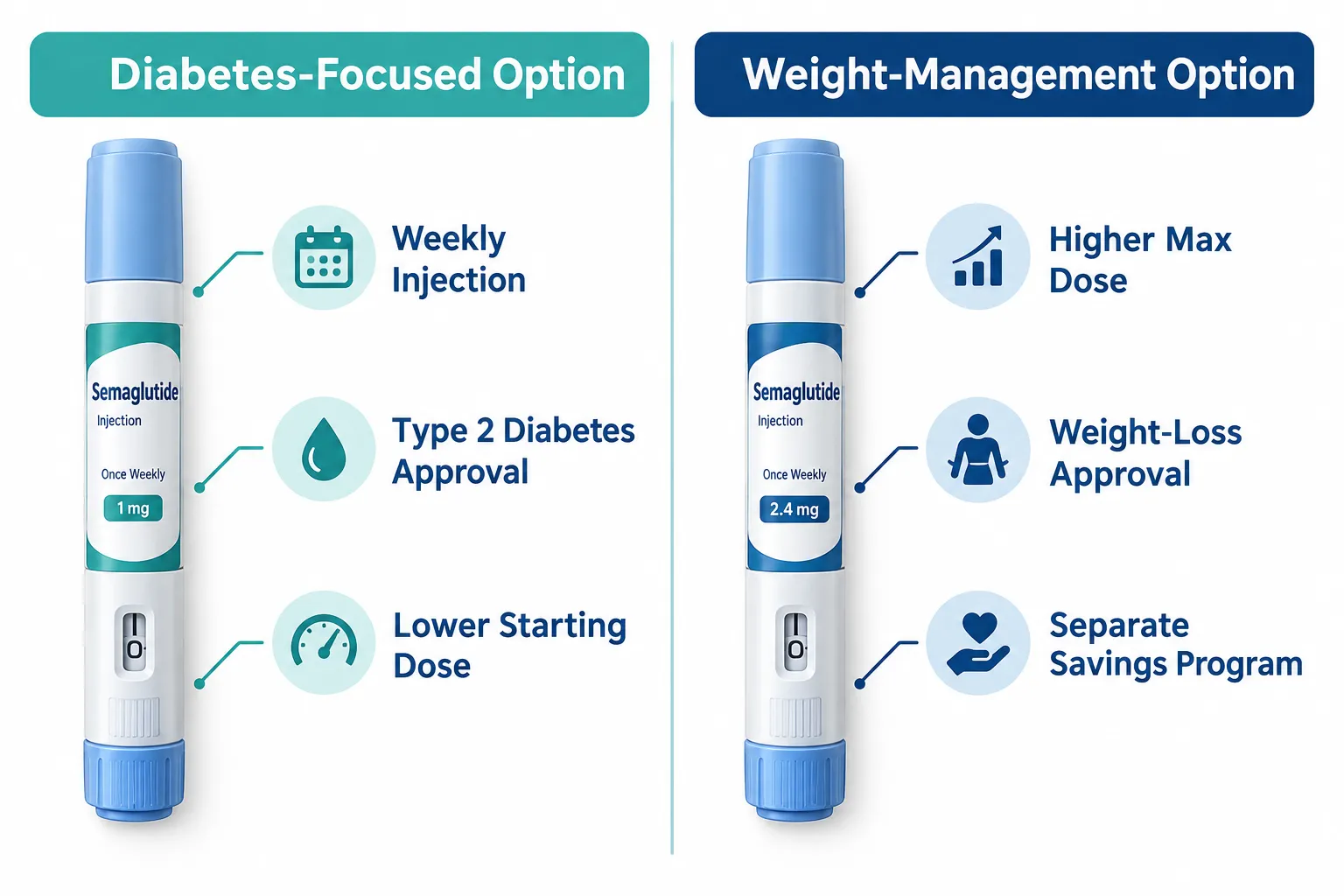
Here’s a general comparison of how these drugs tend to stack up on cost and access:
| Factor | Ozempic | Wegovy | Other GLP-1 Options |
|---|---|---|---|
| Primary FDA approval | Type 2 diabetes | Chronic weight management | Varies (diabetes or weight loss) |
| Typical insurance friendliness | Higher, when diabetes diagnosis present | Lower, weight-loss coverage inconsistent | Depends on specific drug and diagnosis |
| Manufacturer savings program | NovoCare | Separate NovoCare Wegovy program | Each manufacturer has its own |
| Off-label use cost impact | Often full price if prescribed for weight loss | Not applicable (already approved for this use) | Varies by manufacturer policy |
Choose Wegovy over Ozempic if your primary goal is weight management and you want a prescription that matches an FDA-approved indication, since this alignment often improves your odds of insurance coverage. Choose Ozempic if you have a type 2 diabetes diagnosis, since this is its core approved use and the pathway most insurers recognize. If you’re unsure which category fits your situation, a conversation with your prescribing physician about your diagnosis code can clarify which drug your insurance is more likely to cover.
For general guidance on building sustainable habits around any weight-loss medication, see our wellness section, and for condition-specific context, our women’s health and men’s health resources cover how metabolic health differs by sex and age.
How Can You Lower Your Ozempic Costs in 2026?
The fastest way to lower your Ozempic costs right now is to combine insurance verification, manufacturer savings tools, and smart pharmacy shopping rather than waiting on broader federal pricing reforms to take effect. Federal policy changes move slowly, but these five steps can produce savings within the same billing cycle.
Checklist for lowering out-of-pocket costs:
- Confirm your formulary status by calling your insurance plan directly and asking specifically whether Ozempic is covered for your diagnosis code.
- Apply for the NovoCare savings card if you have commercial insurance, and check patient assistance eligibility if you’re uninsured.
- Compare cash prices across pharmacies in your area, since identical prescriptions can carry different list prices depending on the pharmacy chain.
- Ask your doctor about a prior authorization appeal if your plan initially denies coverage, since many denials get reversed with additional documentation.
- Reassess annually during open enrollment, since GLP-1 coverage rules have changed frequently and your plan’s formulary this year may differ from last year.
A quick example: a patient with commercial insurance and a diabetes diagnosis who skips the savings card might pay a standard copay, while the same patient who applies the card first could see that copay reduced further, assuming they meet the card’s eligibility terms. The difference often comes down to simply asking the pharmacist whether a manufacturer discount can be applied before the insurance claim processes.
Frequently Asked Questions
What is the current Trump Ozempic price policy in simple terms?
It’s a set of federal pricing pressure tactics, including Most Favored Nation pricing orders and proposals for more direct consumer purchasing, aimed at lowering U.S. list prices for drugs like Ozempic closer to prices paid in other countries.
How much does Ozempic cost without insurance in 2026?
Without insurance, Ozempic generally costs close to $935 to $1,000 per month at list price, though actual cash prices vary by pharmacy and location.
Does Medicare cover Ozempic for weight loss?
Medicare coverage for GLP-1 drugs used strictly for weight loss has historically been limited, while coverage for an approved diabetes diagnosis is more common. Always verify current formulary terms with your specific plan.
Is compounded semaglutide a safe way to save money?
Compounded semaglutide can lower costs but carries quality and regulatory tradeoffs since it isn’t produced by the original manufacturer. Discuss any switch with a licensed provider and understand that availability can change quickly if FDA shortage designations are lifted.
Will Trump’s drug pricing policies make Ozempic cheaper right away?
Not immediately in most cases. Federal pricing policy changes typically take time to filter down to pharmacy-level pricing, so savings cards and insurance verification remain the fastest tools for cutting costs today.
What’s the difference between Ozempic and Wegovy pricing?
Both contain semaglutide, but Ozempic is approved for type 2 diabetes and Wegovy is approved for chronic weight management, which affects how insurance plans decide whether to cover each one.
Can I use a manufacturer savings card if I have Medicare?
Generally, no. Manufacturer copay cards are typically restricted to commercially insured patients and cannot be used by patients enrolled in federal programs like Medicare or Medicaid.
How often should I recheck my insurance coverage for Ozempic?
At least once a year during open enrollment, since GLP-1 coverage rules and formulary placements have changed frequently in recent years.
Conclusion
The Trump Ozempic price debate reflects a real and ongoing shift in how the federal government is trying to influence U.S. drug pricing, but your actual monthly bill still depends on the fundamentals: your diagnosis, your insurance formulary, and whether you’ve applied for the savings tools already available. I’d encourage you to treat policy headlines as context rather than a guaranteed discount, and instead focus on three concrete actions this month: call your insurer to confirm formulary status, apply for the NovoCare savings card if you’re eligible, and compare cash prices at two or three pharmacies before filling your next prescription. Combine that with ongoing conversations with your doctor about whether Ozempic, Wegovy, or another option fits your diagnosis best, and you’ll likely find savings well before any new federal pricing rule takes full effect. For more on building a sustainable plan around medication, nutrition, and daily habits, visit our Health Trust MD home page or explore our plant-based recipes for meal ideas that support weight management alongside any prescribed treatment.